Senckenberg Natural History Museum – AR Layer Asset: Charly Körbel's Brain
3D data preparation, retopology, texture baking, multi-layer AR asset creation for the permanent exhibition "Brains" at the Senckenberg Natural History Museum Frankfurt. MRI scan-to-realtime, PBR, USDZ/GLTF, Apple Vision Pro.
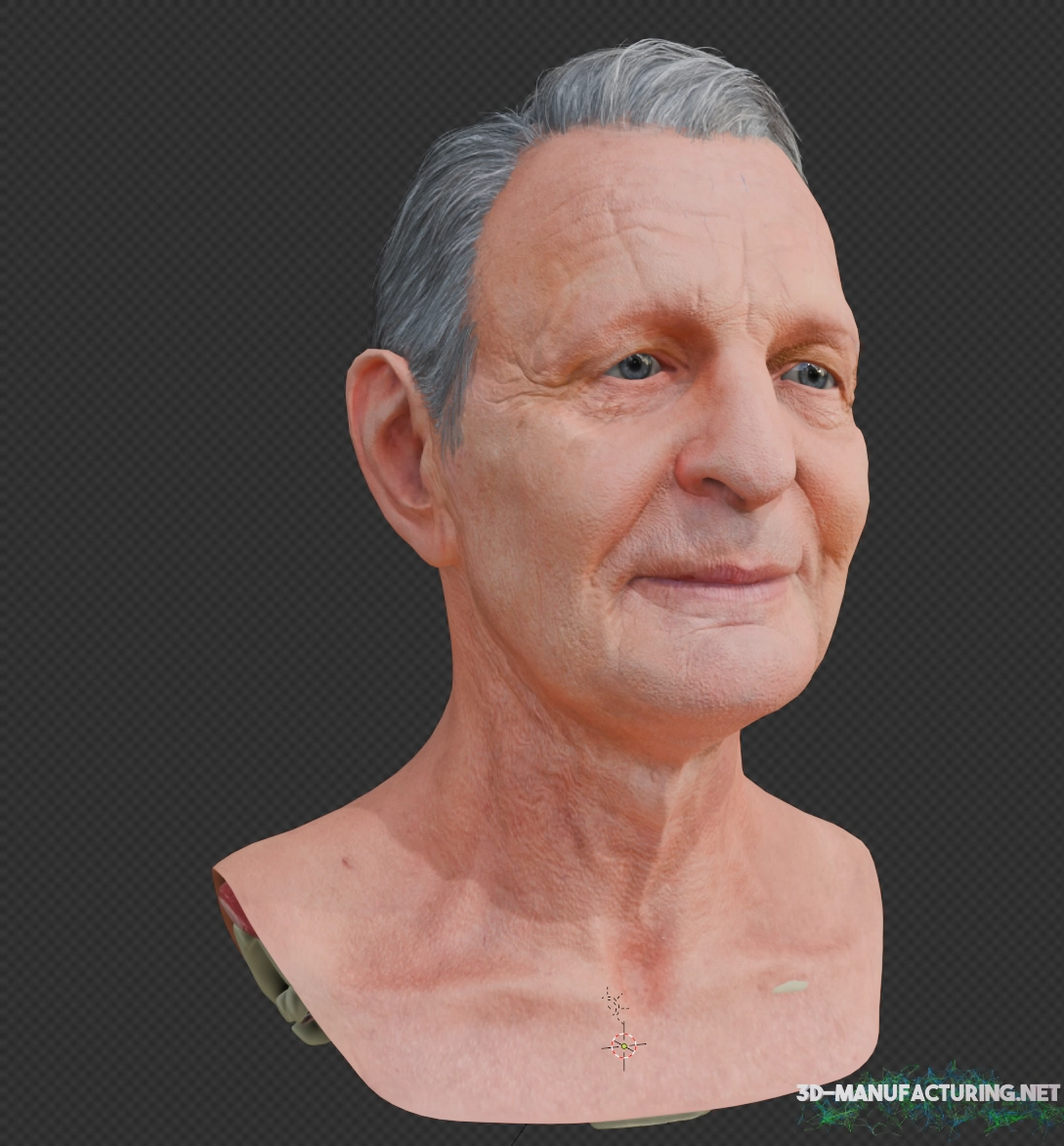
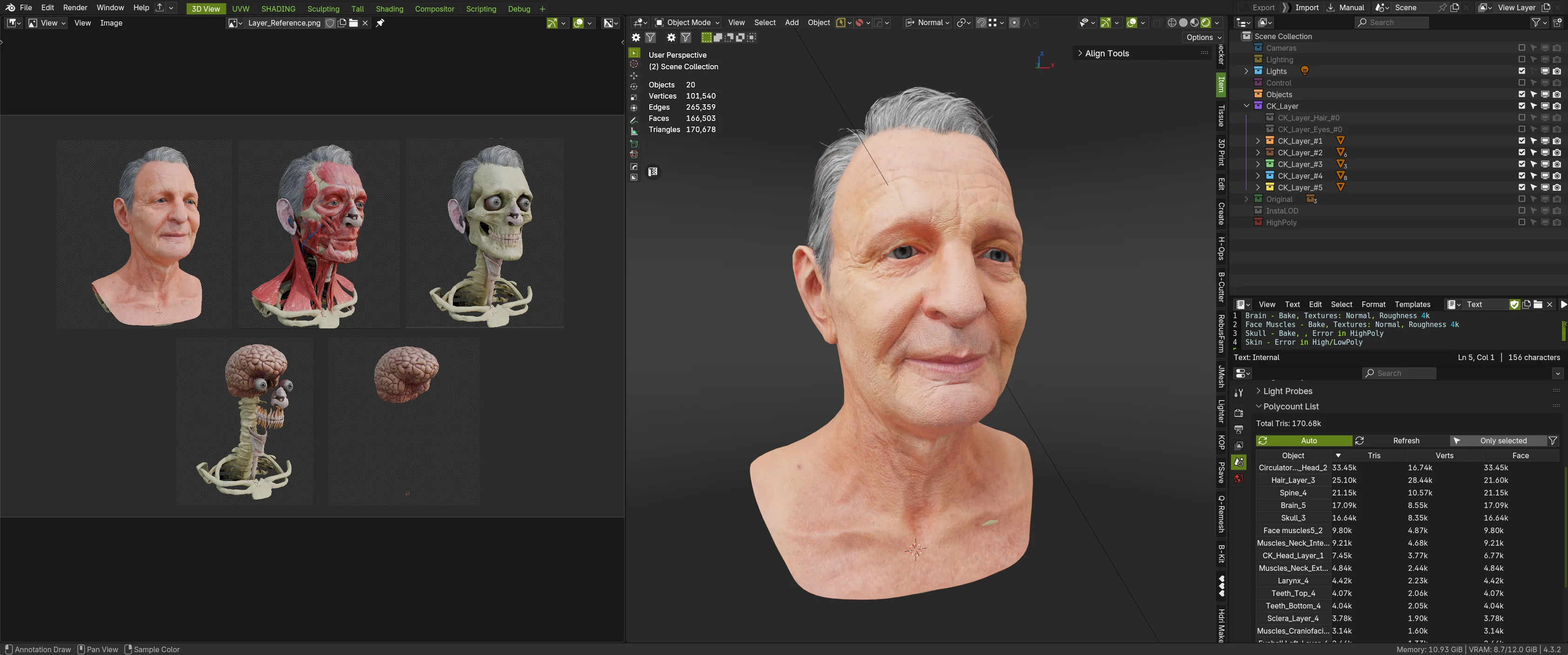
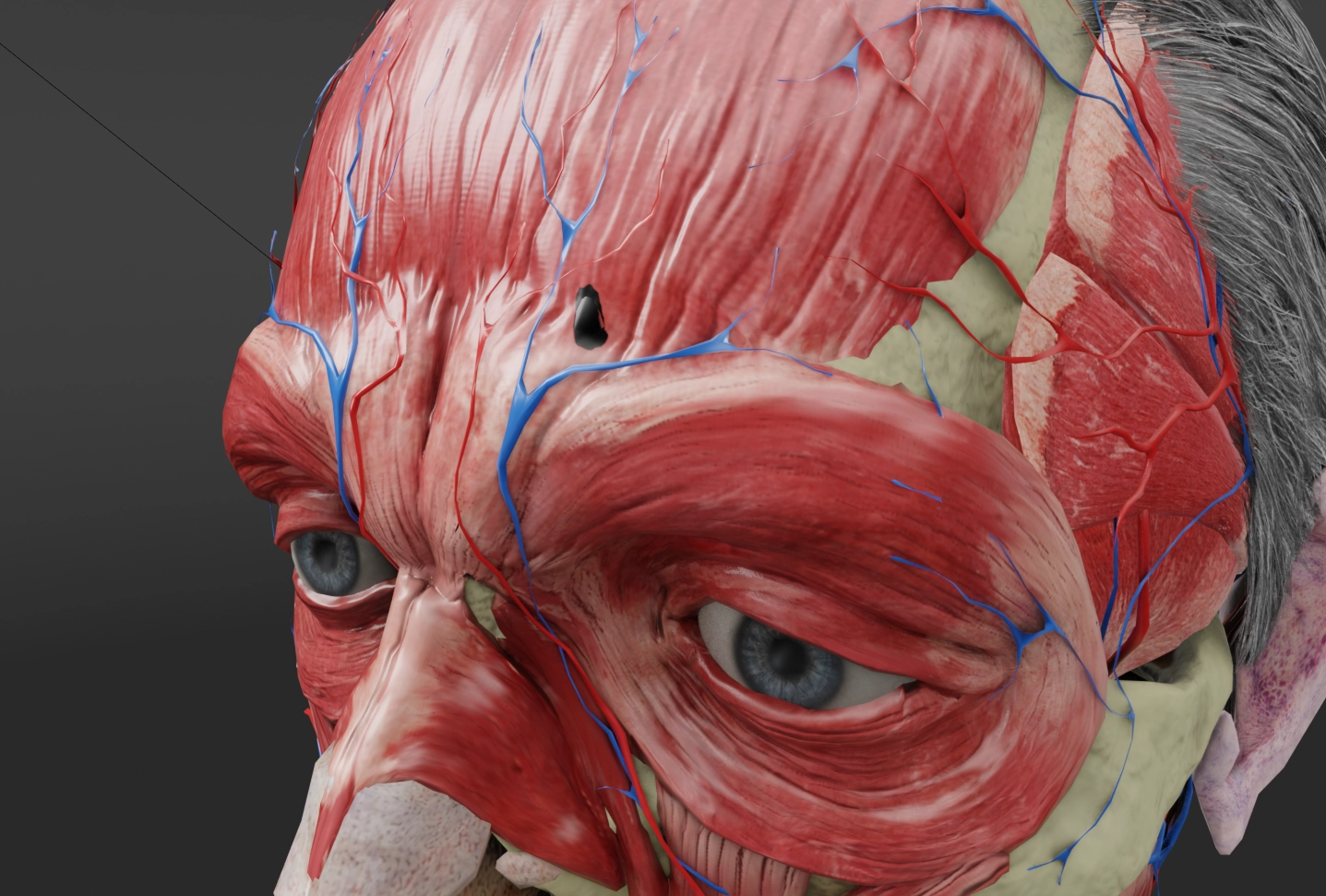
Project Overview
Senckenberg Natural History Museum – AR Layer Asset: Charly Körbel's Brain
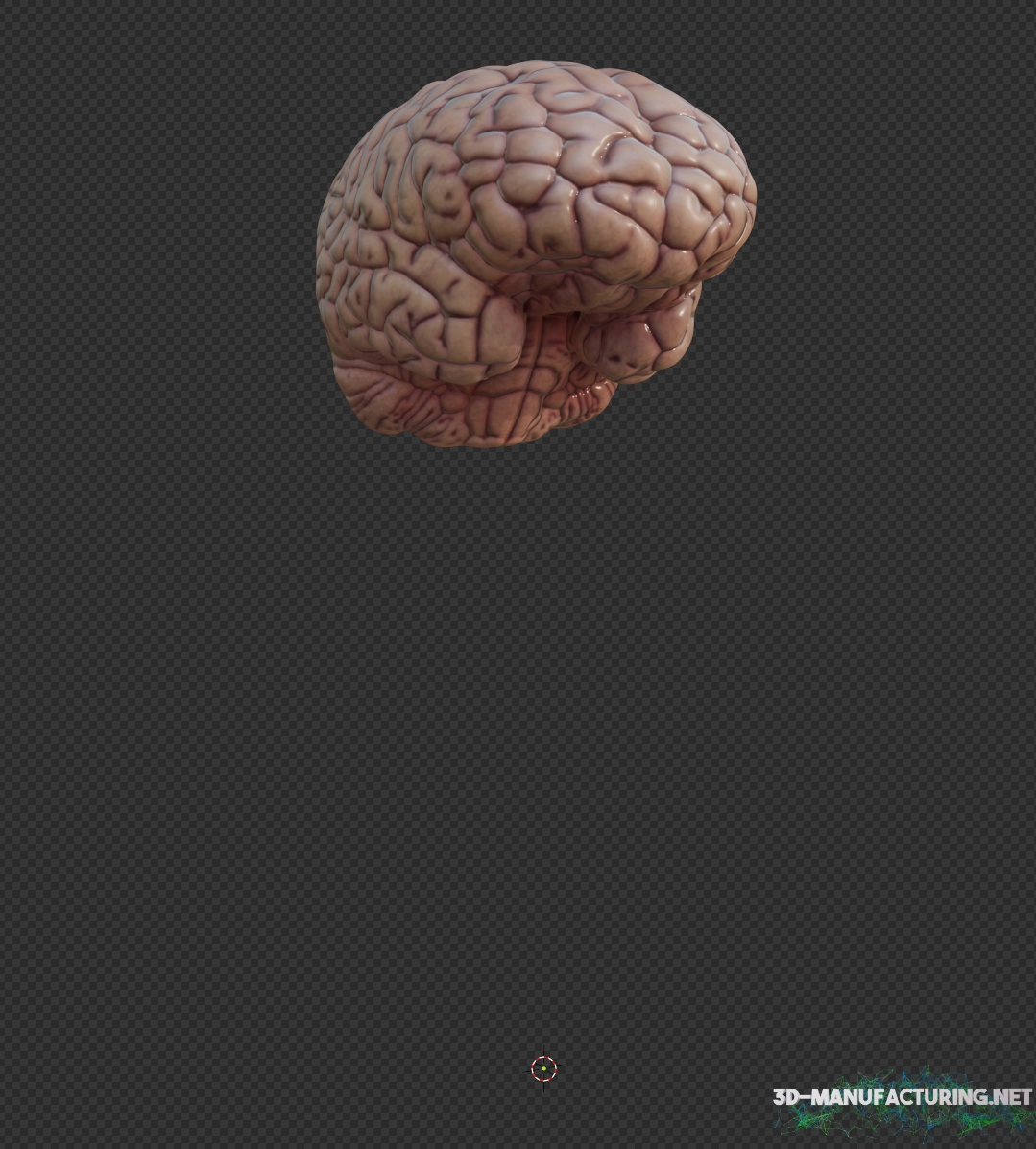
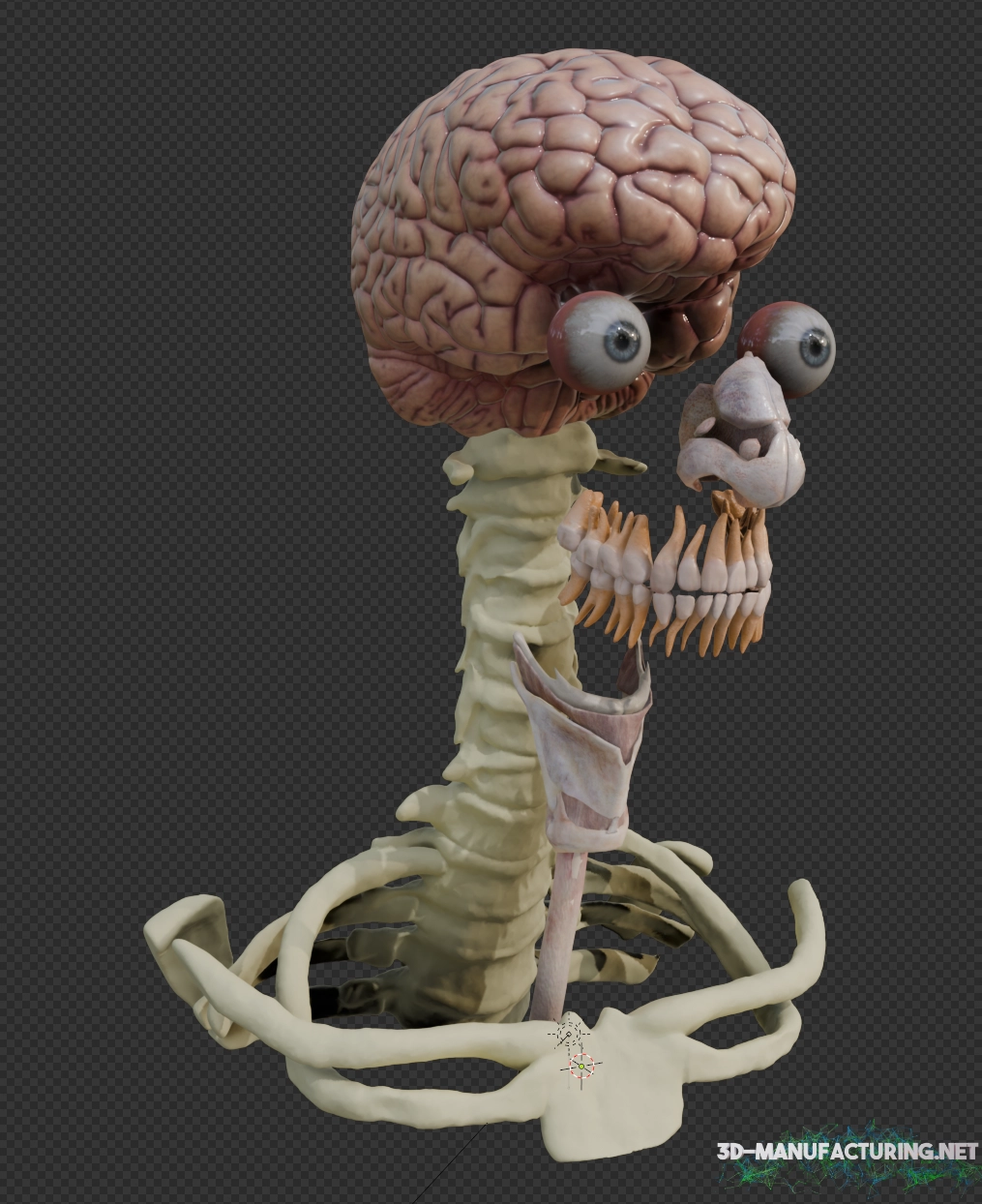
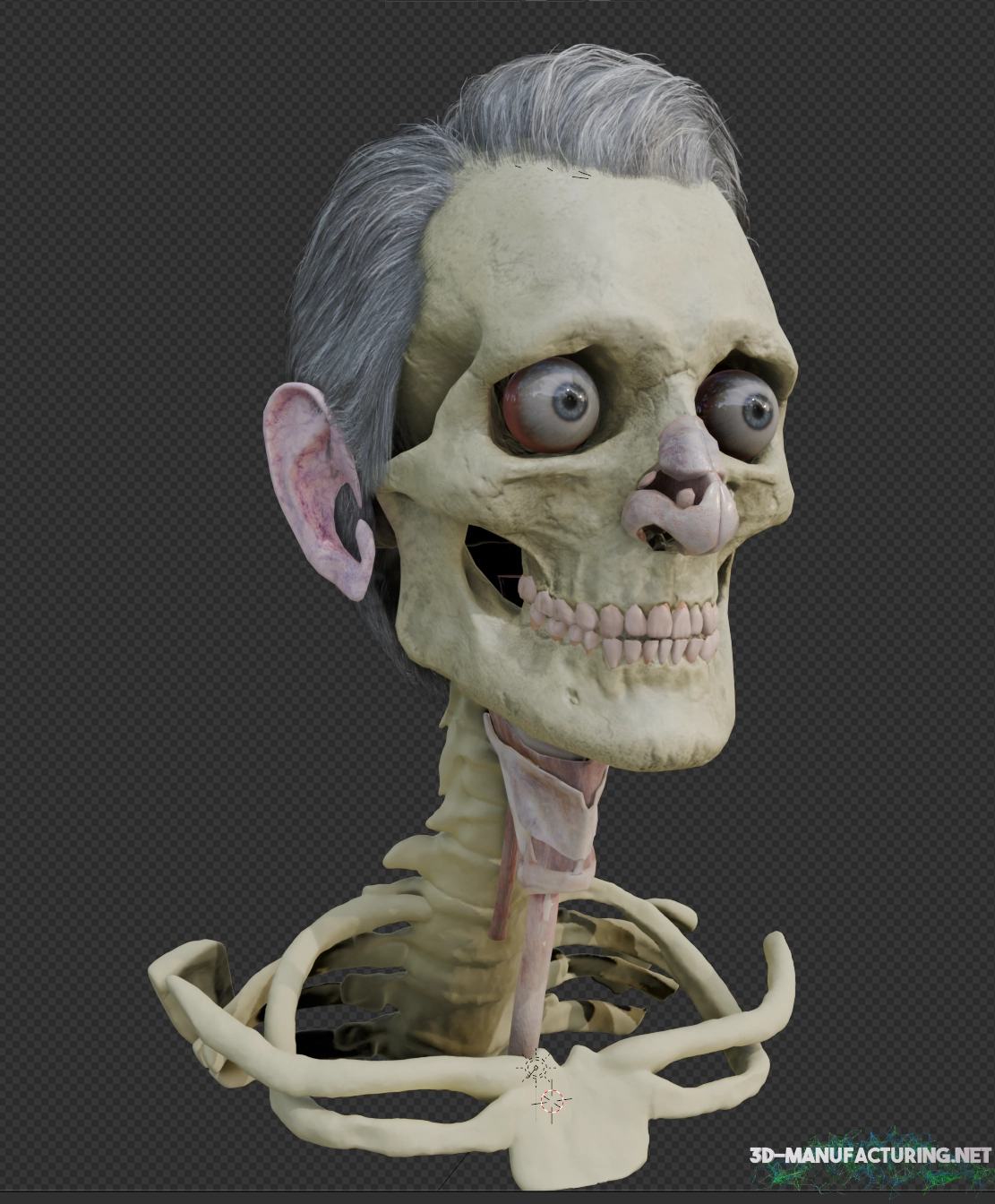
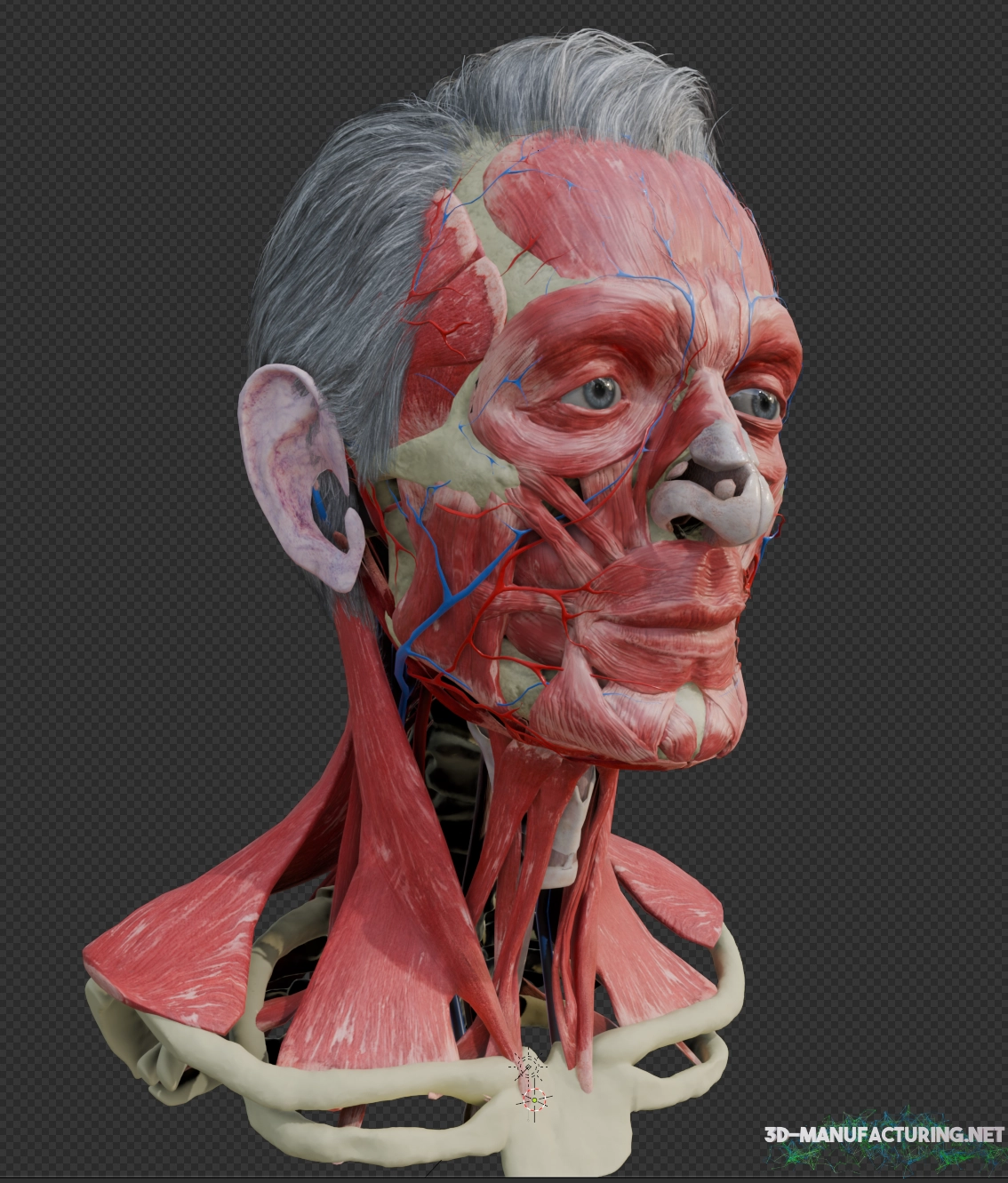
As part of the permanent exhibition "Brains" at the Senckenberg Research Institute and Natural History Museum Frankfurt (initiated and funded by the non-profit Hertie Foundation, artistically realized by Tim Berresheim), the brain of record Bundesliga player and Eintracht legend Karl-Heinz "Charly" Körbel is the centrepiece. For the interactive AR experience on AR/spatial devices (Apple Vision Pro / AR glasses), the complex anatomical head and brain model was prepared: the challenge was to convert an extremely dense model originally designed for full-color 3D hard printing (PolyJet/voxel data) into an interactive, layer-by-layer animatable realtime AR pipeline.
The challenge: 3D-print mesh to realtime AR
Origin: The source model was based on real MRI scans, photogrammetry and structured-light scans, prepared for high-resolution, multi-colored 3D printing. Such print data typically features unsegmented, massive high-poly geometry, inverted faces, non-manifold structures and vertex-based color data without PBR UV maps.
Objective: The model had to be prepared for AR glasses in a way that allows visitors to fade in and out or explore the anatomical layers (skin/face, musculature, skull bones, blood vessels/nerves down to the deep areas of the brain) layer by layer at a smooth frame rate with a photorealistic material look.
Technical Highlights & Workflow
- Anatomical segmentation & retopology:
Splitting the monolithic print geometry into clean, standalone sub-meshes (skin, muscles, vascular system, brain structures, connectomes). Cleanup of invisible interior geometry and creation of a performant low-/mid-poly quad topology for each layer. - UV unwrapping & texture baking (PBR conversion):
Conversion of the raw scan/print textures into WebGL/AR-compliant PBR maps (base color, roughness, metalness, normal, translucency/subsurface simulation). Baking high-resolution normal and ambient-occlusion maps from the scan data onto the optimized layers to ensure maximum detail depth with minimal GPU overhead. - Spatial- & AR-ready optimization (Apple Vision / AR glasses):
Optimization for transparency, alpha blending and shader performance with overlapping layers. Strict draw-call and texture-atlas management to guarantee a stable 90+ FPS in the mixed-reality headset.
Tech Specs
- Project: Permanent exhibition "Brains" (Senckenberg Natural History Museum Frankfurt / Hertie Foundation)
- Focus/role: 3D data preparation, retopology, texture baking, multi-layer AR asset creation
- Pipeline: 3D-print-to-realtime, high-to-low poly baking, PBR workflow
- Target platform: Apple spatial computing / AR glasses & mobile AR
- File formats: USDZ, GLB / GLTF (optimized for layer animation & X-ray shader)
Client & Partners
- • Initiator & funder: Gemeinnützige Hertie-Stiftung (non-profit Hertie Foundation)
- • Exhibition venue: Senckenberg Natural History Museum Frankfurt – permanent exhibition "Brains"
- • Artistic realization: Tim Berresheim
- • 3D sculpt / concept art: Phil Amelung
- • Protagonist: Karl-Heinz "Charly" Körbel (record Bundesliga player, Eintracht legend)
- • Exhibition: Permanent exhibition "Brains" – Senckenberg Natural History Museum Frankfurt
Press & Coverage
- • Senckenberg Museum Frankfurt – permanent exhibition "Brains"
- • SAT1 / 1730live – The secret of the brain at the Senckenberg Museum
- • 3D-Grenzenlos – Charly Körbel's brain from the 3D printer
- • BILD – The brain of the Eintracht legend
- • FFH – Brain model of Charly Körbel at the Senckenberg Museum
- • Hessenschau – Charly Körbel's brain in the Senckenberg exhibition (video)
Similar Project?
Do you need 3D data preparation, retopology, texture baking or multi-layer AR assets for medical visualization, museum exhibits or spatial computing? Let's talk.
Get in touch →